
How Waco Weather Impacts Concrete Cracking
Get The Best Concrete Service In Waco, TX
How Waco Weather Impacts Concrete Cracking
Concrete in Waco doesn’t fail randomly — it fails because Central Texas weather creates the perfect cycle of expansion, contraction, soil movement, and moisture imbalance. Homeowners often blame “bad concrete,” but in reality, the climate is the root cause of most cracks. When you understand how Waco heat, cold snaps, humidity, and clay-heavy soil interact with concrete, you can design a slab that lasts years longer and avoid the expensive repairs most people face.
1. Extreme Heat and Rapid Temperature Swings
Waco summers routinely hit triple digits, and concrete expands aggressively under that kind of heat. But the real problem isn’t the expansion — it’s the speed. Concrete heats up fast during the day and cools quickly at night. That rapid temperature swing creates stress inside the slab, especially if control joints aren’t placed correctly. When the concrete expands but has nowhere to move, cracks form. Driveways and patios with large unbroken slab sections are the most vulnerable. Add dark-colored concrete or stamped finishes, and the surface temperature can be 20–30°F hotter than the surrounding air. That accelerates expansion even more and causes micro-cracks that slowly grow over time. Even properly poured concrete in Waco will eventually show surface cracking simply because the thermal cycle is too aggressive.
2. Clay Soil Expansion and Contraction After Rain
Waco isn’t known for gentle, consistent rainfall. It gets fast storms that dump inches of water in short bursts. The local soil — high in expansive clay — reacts dramatically. Clay absorbs water, swells, and pushes upward against the concrete slab. When the weather dries out, the clay contracts and sinks. This up-down movement is the single biggest cause of concrete cracking in Central Texas. Even a perfectly poured slab with proper rebar can’t fully resist soil heaving. That’s why sidewalks, driveways, and patios in Waco often show: • long structural cracks • uneven concrete slabs • lifted edges • sunken corners The soil moves, and the concrete tries to stay rigid — so something eventually gives. Homes with poor drainage or no gutters see worse cracking because water dumps directly onto the soil around concrete surfaces, causing unpredictable swelling.
3. Freeze–Thaw Cycles Create Micro-Fractures
Waco doesn’t experience long winters, but the temperature does occasionally drop below freezing with little warning. When moisture inside the concrete freezes, it expands. That expansion creates internal pressure and tiny micro-fractures. Over multiple freeze–thaw cycles, those micro-fractures expand into visible cracks. This is especially common in older slabs or stamped concrete with deep textures where water settles. While freeze-thaw damage is less common than heat-related cracking, it becomes a serious issue during unusually cold winters.
4. Humidity and Moisture Imbalance in the Slab
Humidity itself doesn’t crack concrete, but it influences how the slab cures and how it absorbs moisture over time. Waco’s humidity fluctuates heavily between seasons. If concrete cures too fast under hot, dry conditions, it becomes brittle and more likely to crack later. If it absorbs moisture during wet months and dries during hot months, it expands and contracts repeatedly. This cycle weakens the surface layer and contributes to surface flaking, spider cracking, and long-term deterioration. Poor sealing or lack of maintenance makes the problem worse because unsealed concrete absorbs moisture much faster.
Our Services
We Provide Superior Concrete Services
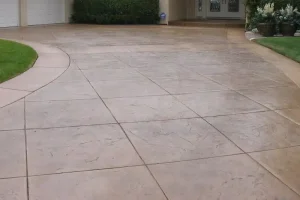
Concrete Driveway
Our Waco concrete team is a premium full-service concrete driveways and emergency concrete service provider in Waco, TX.
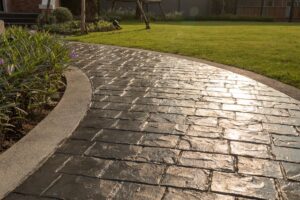
Waco Stamped Concrete
Stamped concrete adds style and durability to patios and walkways, giving your property a custom look without the high cost.
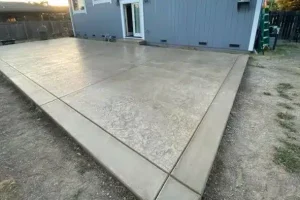
Concrete Patios
Concrete patios deliver a durable, low-maintenance outdoor space for relaxing, and boosting up long term value of your home.
Final Words
Concrete cracking in Waco isn’t a mystery — it’s a predictable reaction to a climate that constantly stresses the material. Heat drives expansion, cold causes contraction, rain makes the clay soil swell, dry spells make it shrink, and the rapid shifts in moisture and temperature never stop. Every slab in Waco is fighting a constant battle against movement from below and stress from above. Homeowners who assume cracking is “bad workmanship” often miss the deeper truth: Waco weather does not give concrete a break. Even a perfectly poured slab with strong reinforcement and great finishing will eventually show signs of stress if it isn’t designed with local climate patterns in mind. That’s why smart planning matters.
Proper soil preparation, thicker bases, good drainage, well-placed control joints, and consistent sealing can drastically extend the life of your concrete. These weather conditions can’t be controlled, but your concrete’s ability to withstand them absolutely can. The more you design for the climate, the fewer repairs you’ll need. In a place like Waco, prevention is always cheaper than repair. Whether you’re planning a new driveway, patio, sidewalk, or slab foundation, understanding the climate helps you make decisions that save money long-term.
Choose a contractor who knows Central Texas soil behavior, uses moisture-balanced mixes, and doesn’t cut corners on compaction or joint spacing. Combine that with consistent sealing and drainage improvements, and your concrete stands a much better chance of surviving Waco’s weather extremes without major cracking. In short, concrete cracking in Waco isn’t inevitable — but it is predictable. The right preparation turns a vulnerable slab into a long-lasting investment.
Request a Quote Today
Reach Us
Location :
Email :
admin@wacoconcretecontractors.net
Phone :
(254)-425-4883